You Won’t Believe These Hidden Shopping Spots in Washington DC
Washington DC isn’t just monuments and museums—there’s a whole underground world of unique shopping waiting to be discovered. I stumbled upon tucked-away boutiques, local designer hubs, and indie markets that most tourists completely miss. These spots offer authentic vibes, one-of-a-kind finds, and zero crowds. If you're craving shopping with soul, not souvenir stands, keep reading—this city’s best-kept retail secrets are about to change your trip.
Beyond the Mall: The Real Shopping Soul of DC
When most visitors think of shopping in Washington DC, their minds jump to the polished storefronts of CityCenterDC or the souvenir kiosks lining the National Mall. While these spaces serve their purpose, they only reflect a fraction of the city’s true retail character. Behind the polished marble facades and federal architecture lies a network of intimate, community-driven shopping experiences that reveal the heart of DC’s local culture. These hidden gems are not designed for mass consumption but for meaningful connection—between maker and buyer, neighbor and newcomer, tradition and innovation.
What sets these alternative shopping destinations apart is their deep-rooted connection to place and people. Unlike chain retailers that replicate the same layout from city to city, these spaces reflect the distinct rhythms of their neighborhoods. In recent years, there's been a growing cultural shift in DC toward conscious consumerism—supporting small businesses, choosing handmade over mass-produced, and valuing sustainability. This movement isn’t just a trend; it’s a quiet revolution reshaping how residents and thoughtful travelers engage with commerce. Shoppers are no longer just looking for items—they’re seeking stories, craftsmanship, and authenticity.
These offbeat venues thrive because they offer what mainstream malls cannot: personality. Whether it’s a ceramic mug shaped by a local artist or a vintage coat with decades of history, each purchase carries a narrative. Moreover, many of these spots are embedded within mixed-use neighborhoods where shopping blends seamlessly with dining, art, and daily life. This integration fosters a sense of discovery, encouraging visitors to wander without a strict agenda. The result is a more immersive, rewarding experience—one that feels less like retail therapy and more like cultural exploration.
Eastern Market: Where Locals Shop & Stay
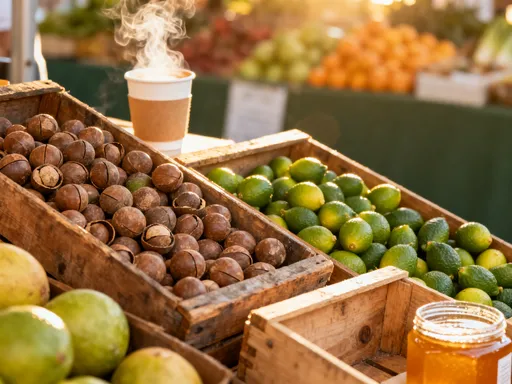
Nestled in the historic Capitol Hill neighborhood, Eastern Market stands as one of DC’s oldest and most cherished public markets. Established in 1873, this vibrant hub has evolved into a weekend destination where community, culture, and commerce intersect. Every Saturday and Sunday, the cobblestone plaza bursts to life with rows of vendor stalls showcasing handcrafted jewelry, original artwork, antique books, and vintage clothing. It’s not uncommon to find a mother and daughter browsing handmade soaps while a local musician strums a guitar nearby—the atmosphere is warm, unhurried, and deeply human.
Beyond the outdoor market, the red-brick building houses a year-round indoor farmers market offering fresh produce, artisanal cheeses, and locally baked breads. But the real magic lies in the surrounding blocks, where independent boutiques have taken root. Second Story Books, a beloved used bookstore tucked above a café, draws bibliophiles with its labyrinthine shelves and carefully curated collections. A few doors down, Room Eleven offers a carefully edited selection of women’s apparel and home goods, emphasizing timeless design and ethical production. These shops don’t just sell products—they cultivate relationships with their customers, often remembering names and preferences.
For the full Eastern Market experience, timing is everything. Arriving early—around 9 a.m.—ensures the best selection and fewer crowds. Pair your shopping with a classic breakfast at Market Lunch, a no-frills counter service spot famous for its blueberry pancakes and sausage sandwiches. Locals often linger on nearby benches, coffee in hand, soaking in the neighborhood energy. The combination of fresh food, creative wares, and community spirit makes Eastern Market more than a shopping stop; it’s a window into the daily life of one of DC’s most enduring neighborhoods.
Takashimaya & the Quiet Luxury of The Hecht Company Building
On F Street, just steps from the bustling Metro Center station, lies a quiet sanctuary of elegance: Takashimaya, nestled within the historic Hecht Company Building. This Japanese department store may fly under the radar for most tourists, but those who step inside discover a refined world of minimalist beauty and thoughtful curation. Unlike the flashy displays of nearby retailers, Takashimaya embraces understated luxury—its shelves lined with delicate porcelain, washi paper stationery, matcha sets, and premium snacks imported directly from Japan. The scent of green tea lingers in the air, and soft lighting enhances the serene ambiance.
What makes Takashimaya particularly special is its dedication to quality over quantity. Each item is selected with intention, reflecting Japanese principles of craftsmanship, simplicity, and functionality. A single notebook might feature hand-bound covers and acid-free paper perfect for journaling, while a bento box set combines aesthetic appeal with practical design. These are not impulse buys but meaningful additions to daily life—objects meant to be used, cherished, and passed down. The store also carries a small but exquisite selection of beauty products, including facial mists and cleansing oils that have developed a loyal following among DC’s skincare enthusiasts.
Despite its prime downtown location, Takashimaya remains a well-kept secret, often overlooked by visitors drawn to louder, more commercial options. This low profile is part of its charm—it feels less like a tourist trap and more like a discovery. The staff, though reserved, are knowledgeable and willing to explain the origins and uses of various products. For shoppers seeking a moment of calm amid the city’s pace, Takashimaya offers a rare pause—a place to slow down, appreciate detail, and engage in mindful consumption. It’s a reminder that luxury doesn’t have to be loud to be powerful.
Blagden Alley: Artsy Boutiques in a Secret Lane
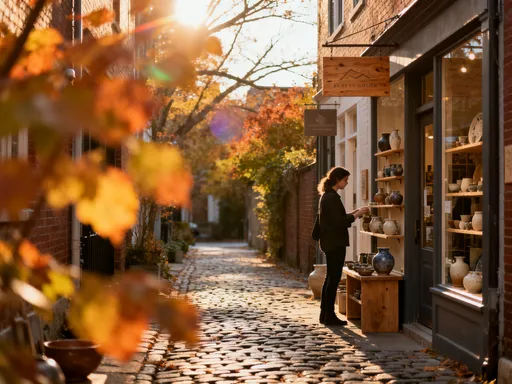
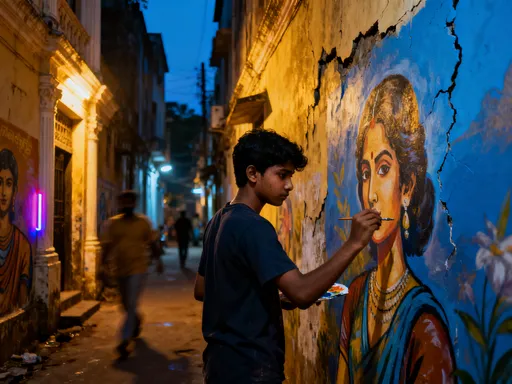
Just behind the bustling intersection of 14th and R Streets in Northwest DC, a narrow cobblestone passage known as Blagden Alley opens like a hidden portal into the city’s creative soul. Once an industrial service lane, this pedestrian-only corridor has transformed into a thriving micro-district of art studios, craft shops, and intimate cafés. Murals stretch across brick walls, seasonal string lights twinkle overhead, and the hum of conversation drifts from coffee bars and wine shops. It’s a place where inspiration feels tangible, and every doorway promises something unexpected.
Among the standout stores is Gracious Goods, a zero-waste lifestyle boutique dedicated to sustainable living. Shoppers can refill glass bottles with organic cleaning products, choose package-free toiletries, or browse bamboo toothbrushes and reusable beeswax wraps. The shop’s mission extends beyond retail—it hosts workshops on composting, DIY skincare, and low-impact living, fostering a community committed to environmental stewardship. Nearby, District Clay offers a hands-on experience where visitors can purchase pottery made on-site or even book a wheel-throwing class. Watching a lump of clay transform into a functional mug under a skilled artisan’s hands is both meditative and inspiring.
What makes Blagden Alley so captivating is its atmosphere of creative synergy. Galleries display rotating exhibitions, pop-up vendors appear on weekends, and small plates from neighboring restaurants can be enjoyed at communal tables. It’s common to see artists sketching in notebooks or friends meeting for an after-work glass of wine. The alley feels insulated from the rest of the city, offering a slower, more intentional rhythm. For shoppers who value originality and authenticity, Blagden Alley is a treasure trove—one where every purchase supports local makers and sustainable practices.
Anacostia’s Renaissance: Shopping with Purpose
East of the Anacostia River, a cultural and economic renaissance is unfolding in the historic Anacostia neighborhood. Long overlooked by mainstream tourism, this area is now home to a growing number of community-focused businesses that blend commerce with social impact. Shopping here isn’t just about acquiring goods—it’s an act of support for local empowerment, cultural preservation, and equitable development. Visitors who take the time to explore are rewarded with meaningful interactions, unique products, and a deeper understanding of DC’s full story.
At the heart of this movement is Anacostia Co., a boutique that celebrates the neighborhood’s identity through apparel, accessories, and home goods. T-shirts feature bold typography reading “Anacostia” in vintage-inspired fonts, while tote bags showcase original artwork by local artists. Every item sold helps fund community programs and public art projects, creating a direct link between purchase and progress. Equally impactful is the Anacostia Farmers Market, which includes an artisan section highlighting handmade jewelry, candles, and textiles. Many of the vendors are residents who have turned their crafts into small businesses, often using traditional techniques passed down through generations.
For visitors, exploring Anacostia requires a respectful and open mindset. The best approach is to arrive with curiosity rather than expectation, to listen more than speak, and to support businesses that are rooted in the community. The Anacostia Community Museum, operated by the Smithsonian, offers valuable context before shopping, providing historical background on the neighborhood’s contributions to DC’s cultural fabric. With improved public transit and increasing safety, access has never been easier. By choosing to shop here, travelers contribute to a more inclusive vision of the city—one where every neighborhood has the opportunity to thrive.
Pop-Ups & Fleas: The Temporary Treasures
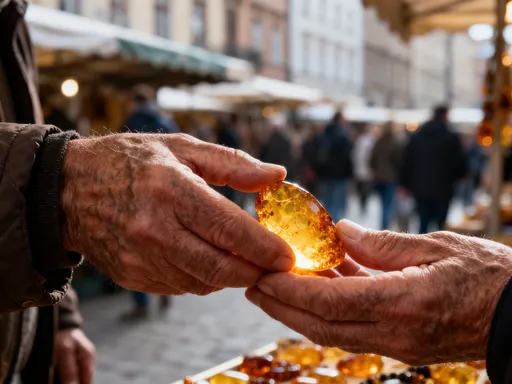
One of the most exciting aspects of DC’s shopping scene is its dynamic pop-up culture—temporary markets and fairs that bring together artists, designers, and food makers for limited runs. These events offer something no permanent store can: exclusivity. Because vendors rotate frequently and products are often made in small batches, each visit feels like a treasure hunt. Whether it’s a hand-stitched leather bag, a jar of small-batch hot honey, or a screen-printed poster, the finds are unique and often impossible to replicate.
Union Market, a food hall in the NoMa district, regularly hosts weekend pop-ups featuring local creatives. One Saturday might bring a lineup of jewelry makers and ceramicists; the next could spotlight vegan skincare brands or sustainable fashion labels. No Kings Collective, a DC-based artist group, organizes seasonal flea markets that draw crowds with their eclectic mix of vintage finds, handmade goods, and live music. These events are more than shopping destinations—they’re social gatherings, where people come to connect, celebrate creativity, and support independent makers.
For travelers planning ahead, tracking these pop-ups requires a bit of strategy. The best resources are local newsletters like DCist’s weekend guide, Instagram accounts of venues like Union Market and THEARC, and event listings on Facebook. Some pop-ups are tied to seasons—holiday markets in December, spring craft fairs in May—so timing your visit around these can enhance the experience. Even if you miss a specific event, the spirit of impermanence adds to the allure. Knowing that a market might not return tomorrow encourages presence, intention, and appreciation in the moment.
Tips for the Savvy Hidden Shopper in DC
To truly unlock DC’s hidden shopping treasures, a few practical strategies can make all the difference. First, consider using the DC Streetcar, particularly the H Street NE line, which connects to emerging retail corridors in NoMa and extends into Anacostia. This eco-friendly option allows you to explore neighborhoods at a relaxed pace, avoiding the stress of parking and navigation. Many of the best finds are located just a short walk from transit stops, making public transportation not just convenient but ideal for discovery.
Another key tip is to carry cash—especially smaller bills. While most established shops accept cards, many pop-up vendors, farmers market artisans, and flea market sellers operate on a cash-only basis. Having $5, $10, and $20 bills on hand ensures you won’t miss out on a one-of-a-kind piece because of a payment mismatch. It also speeds up transactions, allowing for smoother interactions and more time to browse.
Timing your visits can also elevate the experience. Weekends are naturally busier, especially at popular spots like Eastern Market and Union Market. For a quieter, more personal experience, consider shopping on weekday mornings when foot traffic is lighter and staff have more time to engage. Many boutique owners welcome conversation and are happy to share the stories behind their products. Additionally, mid-week visits often mean better availability of limited-edition items that sell out quickly on Saturdays.
Finally, adopt a mindset of exploration over efficiency. Resist the urge to treat hidden shopping as a checklist. Instead, allow yourself to wander without a strict itinerary. Turn down side streets, peek into alleyways, and follow the sound of live music or the scent of freshly baked bread. The most memorable finds often come from unplanned detours. By slowing down and staying curious, you’re not just shopping—you’re participating in the living culture of the city.
These hidden shopping venues aren’t just places to buy—they’re windows into DC’s living culture. By stepping off the beaten path, travelers don’t just take home souvenirs; they carry back stories, connections, and a deeper understanding of the city’s heartbeat. Next time you're in DC, skip the chain stores. Let the city surprise you—one secret corner at a time.