You Won’t Believe What I Ate in Ephesus — Food Secrets from Ancient Turkey
Walking through the marble streets of Ephesus, I wasn’t just stepping on ancient stones—I was following the scent of grilled meat, fresh herbs, and warm bread. Most people come for the ruins, but I stayed for the food. Turns out, Turkey’s Aegean region is a hidden gem for authentic, flavor-packed cuisine. From family-run meyhanes to bustling village markets, Ephesus isn’t just history—it’s a living feast. Let me take you where the locals eat, what to order, and how to eat like you belong.
The Unexpected Heart of Ephesus: Where History Meets Hunger
Ephesus, nestled in western Turkey’s Izmir Province, stands as one of the most remarkable archaeological sites in the world. As a UNESCO World Heritage Site, it draws visitors eager to walk in the footsteps of Romans, Greeks, and early Christians. The grandeur of the Library of Celsus, the towering Great Theatre, and the intricate Terrace Houses tell stories of empires and daily life from two millennia ago. But beyond the well-preserved columns and ancient mosaics, another kind of history unfolds—one that engages the senses in a more immediate way: the story told through food.
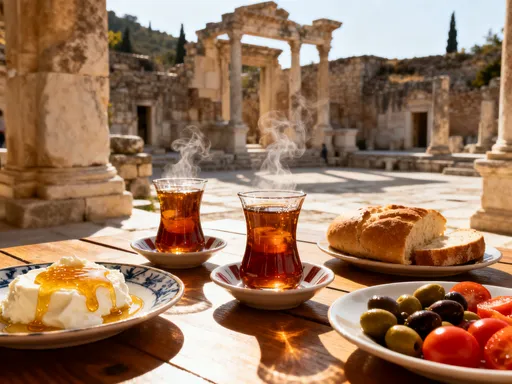
Every morning, as the sun casts golden light over the Temple of Hadrian, the surrounding town of Selçuk stirs to life not with tour guides and ticket queues, but with the sizzle of pans and the clink of tea glasses. The aroma of simit—a circular bread encrusted with sesame seeds—drifts from open-air bakeries. Vendors pour steaming Turkish tea into tulip-shaped glasses, while families gather at low wooden tables to sip ayran, a refreshing yogurt-based drink. This is not a performance for tourists; it is the rhythm of daily life, deeply rooted in Mediterranean traditions and centuries of culinary exchange.
The Aegean climate plays a crucial role in shaping this vibrant food culture. With mild winters, long sunny summers, and fertile soil, the region produces an abundance of fresh ingredients. Olives ripen on ancient trees, figs swell on low branches, and tomatoes burst with sweetness when sliced open. Herbs like oregano, mint, and thyme grow wild along the hillsides, often gathered by hand and used the same day. This natural bounty means that meals in and around Ephesus are not just delicious—they are deeply connected to the land and seasons.
What makes dining here different from typical tourist fare is its authenticity. While some sites around the world commercialize local cuisine into bland, mass-produced versions, the food near Ephesus remains personal and intimate. Many dishes are still prepared in family kitchens or small neighborhood eateries using recipes passed down through generations. A grandmother might roll out dough for börek every morning, just as her mother did. A fisherman might bring his catch straight to a seaside meyhane, where it will be grilled within hours. These moments are not staged—they are lived.
For the mindful traveler, this creates a rare opportunity: to experience history not only through sight, but through taste. The same ingredients that fed ancient Ephesians—olives, grains, goat cheese, figs—are still central to the table today. In this way, eating in Ephesus becomes a form of time travel, a sensory bridge between past and present. It’s not uncommon to hear stories of archaeological finds revealing ancient olive presses or grain mills—tools that echo in the kitchens of modern villages. The continuity is striking, and deeply comforting.
Breakfast Like a Local: The Real Start of an Ephesian Day
In Turkey, breakfast is not a quick bite before sightseeing—it is an event, a celebration of abundance and togetherness. Nowhere is this more evident than in Selçuk, the modern town that serves as the gateway to Ephesus. While many travelers rush to the ruins at dawn, the locals begin their day slowly, gathering at garden cafes shaded by grapevines and fig trees. These breakfast spreads, known as kahvaltı, are elaborate affairs, often lasting two hours or more.
A traditional Ephesian breakfast is a colorful mosaic of flavors and textures. At the center of the table, a platter overflows with ripe tomatoes, crisp cucumbers, and green peppers, all grown locally and often still warm from the sun. Beside them, bowls of briny olives—black, green, and purple—sit alongside creamy beyaz peynir, a salty white cheese similar to feta. One of the most beloved elements is kaymak, a thick, clotted cream served with honey or jam. When spooned over fresh bread, it melts into a luxurious, sweet-savory blend that feels like a gift.
Then there are the cooked dishes. Menemen, a staple of Turkish breakfast, is a soft scramble of eggs cooked with tomatoes, green peppers, and onions, seasoned simply with salt and pepper. It’s often served in the pan it was cooked in, still warm, with a side of crusty bread for dipping. Another favorite is sucuklu yumurta—eggs fried with sucuk, a spicy cured sausage that adds a smoky kick. For something lighter, börek takes center stage: flaky pastries filled with cheese, spinach, or minced meat, baked until golden and crisp.
Drinks are equally important. Turkish tea, served in small glasses, is the default beverage, sipped continuously throughout the meal. Some prefer black coffee, strong and unfiltered, served in tiny cups. Others opt for ayran, the salty yogurt drink that aids digestion and cools the palate. The ritual of pouring tea—from a double teapot where strong tea steeps on top and hot water sits below—is part of the experience, often handled by the eldest man at the table.
For visitors, the best places to experience this are family-run garden cafes just outside the archaeological site. Places like Şirince Garden or Selçuk Pansiyon offer shaded terraces where you can linger over your meal while listening to birdsong. The staff often treat guests like extended family, offering seconds without being asked and sharing stories about local life. The key is to arrive early—between 7:30 and 9:00 a.m.—and to resist the urge to rush. In Turkey, breakfast is not about efficiency; it’s about connection.
Skipping this meal would be like visiting the Library of Celsus and never reading a book. It’s a fundamental part of understanding the culture. When you sit down to a Turkish breakfast, you’re not just eating—you’re being welcomed into a rhythm of life that values slowness, generosity, and presence. For women in their 30s to 50s, many of whom balance busy households and careers, this kind of unhurried nourishment can feel like a revelation.
Street Food Adventures: What to Eat on the Go
Exploring the vast expanse of Ephesus can work up an appetite, and the good news is that delicious, authentic food is never far away. Just beyond the ancient city walls, the streets of Selçuk come alive with vendors offering quick, satisfying bites that fuel both locals and travelers. Unlike pre-packaged snacks found in many tourist zones, these street foods are freshly made, flavorful, and deeply rooted in Turkish culinary tradition.
One of the most popular choices is dürüm—a wrap made with thin lavash bread filled with grilled meat, lettuce, onions, and a squeeze of lemon. The meat, usually chicken or lamb, is marinated in spices and slow-cooked on a vertical rotisserie, then shaved off in tender slices. What sets a good dürüm apart is the balance of flavors: smoky, tangy, and slightly spicy, with a texture that’s both chewy and crisp. The best stands are easy to spot—look for the ones with a line of locals waiting, a sure sign of quality and freshness.
Another favorite is midye dolma, mussels stuffed with a spiced rice mixture and served cold with a squeeze of lemon. These are typically sold by street vendors who open the mussels right in front of you. While they might seem intimidating at first, they are a beloved snack, especially in coastal towns like Selçuk. The rice is fragrant with mint and allspice, and the briny flavor of the mussel complements it perfectly. Eating them is a bit of a ritual: hold the shell, squeeze lemon over the top, and slurp the contents directly from the shell.
For the more adventurous eater, kokoreç offers a bold taste of local flavor. Made from seasoned lamb intestines wrapped around skewers and grilled, it’s chopped finely and served in bread with spices and herbs. It has a rich, smoky flavor and is considered a hearty, energizing snack—often eaten after a long day or as a late-night bite. While it may not appeal to everyone, it’s a testament to the Turkish principle of using every part of the animal, minimizing waste and maximizing flavor.
When choosing street food, hygiene is key. Always look for vendors who handle food with gloves or tongs, keep ingredients covered, and have a steady flow of customers—high turnover means fresher food. Avoid anything sitting out in the sun or served from cracked containers. And while it’s tempting to grab a quick sandwich from a convenience store, these often lack the depth of flavor and care found in local stands.
Language doesn’t have to be a barrier. A simple "Ne tavsiye edersiniz?" (What do you recommend?) goes a long way. Most vendors are proud of their food and happy to guide you. And don’t be afraid to point—many rely on visual menus. The goal is not just to eat, but to engage, to smile, to share a moment of human connection over a shared love of good food.
The Meyhane Experience: Dining the Turkish Way
If breakfast is the heart of the Turkish day, dinner is its soul—and in Ephesus, that soul lives in the meyhane. These casual taverns are not fine dining establishments; they are lively, communal spaces where food is shared, stories are told, and time slows down. The word "meyhane" literally means "house of wine," though today, many serve rakı—the anise-flavored spirit known as "lion’s milk"—alongside beer and local wines.
A meyhane meal is built around meze, a series of small dishes designed to be shared. The experience begins with simple offerings: a plate of sliced cucumbers and tomatoes, a bowl of ezme (a spicy tomato and pepper dip), and perhaps a creamy eggplant salad. Then come the cooked meze: fried mussels, stuffed grape leaves, and sigara böreği (crispy cheese rolls that resemble cigarettes). Each dish arrives as it’s ready, encouraging a relaxed, conversational pace.
As the meal progresses, heartier dishes appear. Grilled octopus, tender and charred at the edges, is a coastal favorite. Lamb chops, seasoned with thyme and grilled over charcoal, are another highlight. The star, however, is often the fish—bought fresh that morning and simply grilled with lemon and olive oil. The emphasis is on quality ingredients and minimal intervention, letting the natural flavors shine.
Drinks play a central role. Rakı is typically served with water and ice, turning cloudy white as it dilutes. It’s sipped slowly, in small glasses, and always accompanied by food. The ritual of toasting—"Şerefe!"—is done with eye contact and a slight nod. It’s not about getting drunk; it’s about savoring the moment, deepening bonds, and honoring the meal.
Meyhanes are deeply tied to Turkish hospitality. Strangers may be invited to join a table, and extras—a plate of fruit, a shot of rakı—often appear unannounced. This generosity is not performative; it’s cultural. For women traveling alone or in small groups, this can be a reassuring and enriching experience. The atmosphere is warm, not loud; inclusive, not intimidating.
The best meyhanes near Ephesus are found in Selçuk’s backstreets or along the road to Şirince. They open in the evening, around 6:00 or 7:00 p.m., and stay busy until late. Dress is casual—light cotton dresses or pants are perfect. Budget-wise, a full meyhane meal with drinks can range from $15 to $30 per person, depending on choices. The key is to go with an open mind, a healthy appetite, and a willingness to let the evening unfold naturally.
Village Markets and Local Producers: Taste Beyond the Tourist Trail
Just a short drive from Ephesus, the hillside village of Şirince hosts a weekly market that offers a deeper, more personal encounter with Aegean food culture. Every Sunday, farmers, cheesemakers, and bakers gather to sell their handmade goods. Unlike tourist bazaars, this market feels authentic—booths are simple, prices are fair, and the people behind them are proud of their craft.
Here, you’ll find olive oil pressed that morning, its grassy aroma filling the air. Small jars of pomegranate molasses, thick and tart, sit beside honeycombs still dripping with golden nectar. Women in aprons offer samples of goat cheese infused with wild herbs, while men demonstrate how to press grapes for wine using traditional wooden tools. The seasonal rhythm is evident: in summer, baskets overflow with figs and apricots; in winter, citrus fruits and preserved lemons take center stage.
What makes this market special is the direct connection between producer and consumer. You can talk to the woman who made the cheese, learn how she feeds her goats, and even visit her farm. Some families welcome visitors for tours or home-cooked meals. These interactions are not staged performances; they are genuine invitations into rural life.
When visiting, bring cash—many vendors don’t accept cards. Learn a few basic Turkish phrases: "Kaç para?" (How much?), "Teşekkür ederim" (Thank you), "Lezzetli" (Delicious). And don’t be afraid to point and smile. Most people appreciate the effort, even if your pronunciation isn’t perfect.
For the thoughtful traveler, these markets offer more than souvenirs—they offer stories. A jar of honey isn’t just a gift; it’s a memory of a sun-drenched morning, of laughter shared over samples, of a grandmother’s hands shaping dough for flatbread. These are the moments that linger long after the trip ends.
Cooking It Yourself: Food Tours and Culinary Classes Near Ephesus
One of the most rewarding ways to connect with a culture is through cooking, and several family-run farms near Selçuk offer hands-on culinary experiences. These are not demonstrations; they are full immersions. You’ll visit local markets with your host, select fresh ingredients, then return to a rustic kitchen to prepare a multi-course meal using age-old techniques.
Typical classes begin with spice grinding—using a mortar and pestle to crush cumin, paprika, and sumac. Then comes dough kneading, a rhythmic, meditative process that connects you to generations of Turkish bakers. You might stuff grape leaves, shape meatballs, or grill vegetables over an open flame. Throughout, your host shares family stories, explaining how certain dishes were passed down from grandmother to mother to daughter.
These tours often end with a shared meal, eaten outdoors under a canopy of vines. The food tastes even better because you helped make it, but the real reward is the connection. For women who love to cook, who find joy in feeding others, this experience can be deeply fulfilling. It’s not just about learning recipes; it’s about understanding the values behind them—patience, care, generosity.
When choosing a class, look for small groups, English-speaking hosts, and clear hygiene practices. Many operate on farms, so be prepared for uneven terrain and outdoor cooking. Prices vary, but most range from $50 to $80 per person, including meals and transportation. The best ones are booked in advance through trusted local operators or guesthouses.
Practical Tips for Eating Well in Ephesus: Hydration, Allergies, and Etiquette
Eating well in Ephesus is easy, but a few practical tips ensure a safe and respectful experience. First, drink only bottled water. Tap water is not safe for consumption, even for brushing teeth. Carry a reusable bottle and refill it from large jugs available at hotels and cafes.
Food allergies require attention. Common allergens include nuts (often in desserts like baklava), dairy (in yogurts and cheeses), and gluten (in breads and pastries). If you have a serious allergy, learn how to say "Alerjim var" (I have an allergy) and specify the ingredient. Most cooks are accommodating, but cross-contamination can occur in small kitchens.
Table manners matter. Keep your hands visible on the table, not in your lap. Never pour your own tea—let someone else do it as a sign of hospitality. Before eating, say "Afiyet olsun," a blessing that means "May it be good for you." The host will respond with "Nasip olur," meaning "May you be granted it."
Meal times are later than in many Western countries. Lunch is typically between 1:00 and 2:30 p.m., dinner after 7:30 p.m. This allows for a long midday break, often spent resting or socializing. Plan your sightseeing accordingly—visit Ephesus in the morning, return for a late lunch, and save dinner for the meyhane.
Finally, balance indulgence with energy. The food is rich and plentiful, but walking the ancient streets requires stamina. Stay hydrated, pace yourself, and don’t feel obligated to finish everything. In Turkey, leaving a little food on your plate is not rude—it means you’re satisfied.
Ephesus isn’t just carved in stone—it’s simmering in pots, grilled over fire, and shared at crowded tables. The real magic isn’t only in the ruins, but in the taste of a warm pita dipped in olive oil under the Aegean sun. When you eat like a local, you don’t just visit history—you live it. So come for the ancient city, but stay for the meal. Your taste buds will thank you.