You Won’t Believe What This City’s Skyline Hides
Cartagena isn’t just colonial charm and Caribbean vibes—it’s a living canvas where past and present collide. I walked its rooftops, alleys, and plazas, stunned by how the cityscape tells stories beyond postcard views. From sun-bleached walls to modern life pulsing behind ancient facades, every angle reveals something unexpected. If you think you know Cartagena, think again. There’s a deeper layer, and once you see it, the city never looks the same.
First Glimpse: The Coastal Skyline That Stops You Cold
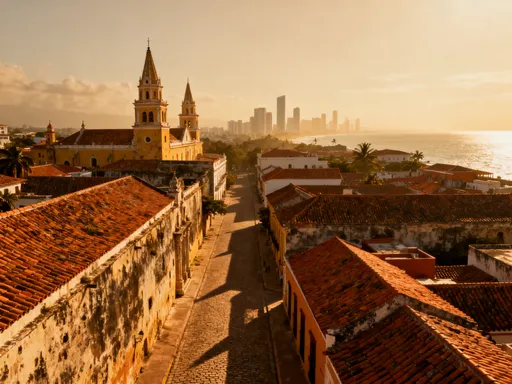
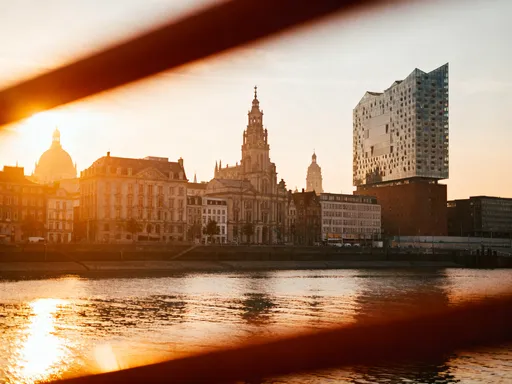
The first view of Cartagena, whether approached by sea or descending from the sky in an airplane, is nothing short of breathtaking. A fortified city rises from the turquoise embrace of the Caribbean Sea, its skyline stitched together with terracotta rooftops, white church domes, and the occasional modern high-rise shimmering in the distance. This dramatic silhouette is more than a visual feast—it is a testament to centuries of resilience, trade, and cultural fusion. The contrast between the deep blue waters and the sun-kissed stone walls creates a natural theater, one that has welcomed sailors, merchants, and now travelers seeking both beauty and meaning.
Geography played a crucial role in shaping Cartagena’s iconic profile. Built on a series of islands and peninsulas, the city’s layout was designed for defense as much as for daily life. In the 16th century, Spanish colonizers recognized its strategic value as a port, leading to the construction of massive stone walls and forts like Castillo San Felipe de Barajas, which still crowns a hill overlooking the city. These fortifications weren’t just military structures—they became the bones of the urban form, dictating the density, height, and orientation of buildings within the walled perimeter. Even today, that historic footprint remains visible in the low-rise, tightly packed streets of the Old City.
Modern port activity continues to animate the waterfront, where cargo ships and cruise liners share space with colorful fishing boats. This blend of old and new is not accidental but reflective of Cartagena’s enduring role as a gateway. The skyline, therefore, is not frozen in time; it breathes with economic life. Yet, despite the growth beyond the walls, there is a conscious effort to preserve the historic core’s visual integrity. Zoning regulations and preservation laws aim to ensure that new developments do not overshadow the colonial character, though the tension between progress and protection remains a quiet undercurrent in the city’s evolution.
Inside the Walls: Where History Wears Its Cracks with Pride
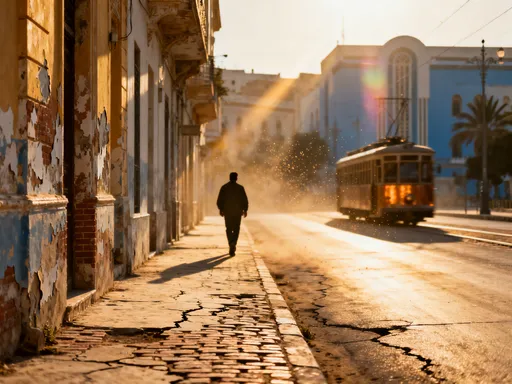
Stepping through the ancient archways of the city walls is like crossing into another dimension. The air grows heavier with humidity and history, and the sounds shift from ocean waves to the rhythmic clatter of horse-drawn carriages on cobblestones. The streets of Ciudad Amurallada and neighboring Getsemaní are not museum exhibits—they are lived-in spaces where every chipped wall, rusted iron balcony, and uneven pavement tells a story. These neighborhoods, collectively recognized as a UNESCO World Heritage site, embody a unique architectural language shaped by Spanish colonial design, African cultural influences, and the demands of a tropical climate.
The buildings here were constructed to endure. Thick limestone and coral stone walls provide natural insulation against the heat, while high ceilings and interior courtyards promote airflow. Wooden balconies, often overflowing with vibrant bougainvillea, are not merely decorative—they serve as outdoor living rooms, shaded from the sun yet open to the breeze. Many of these homes were originally built for wealthy families during the colonial era, but over time, they have been subdivided, repurposed, and adapted. A single mansion might now house several families, a boutique hotel, or a small art gallery, each tenant adding their own layer to the building’s narrative.
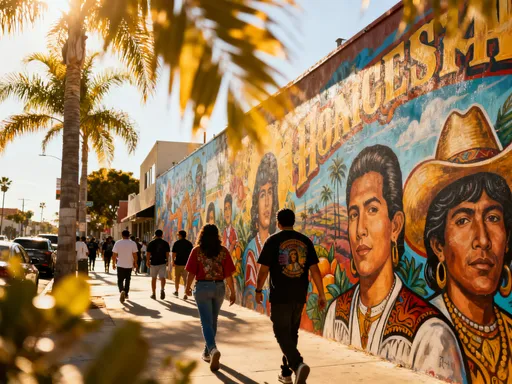
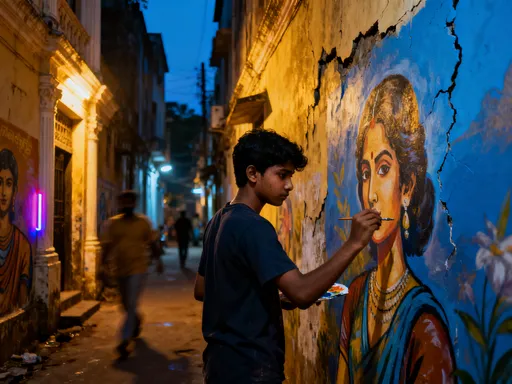
What makes these streets so compelling is their authenticity. Unlike perfectly restored historic districts elsewhere, Cartagena embraces imperfection. Peeling paint, exposed brick, and mismatched tiles are not signs of neglect but evidence of survival. Local artisans and preservation groups work quietly to maintain structural integrity without erasing the patina of time. In Getsemaní, once a working-class neighborhood on the margins, murals now stretch across entire building facades, blending contemporary expression with traditional craftsmanship. These artistic interventions do not overpower the past; they converse with it, creating a dynamic dialogue between generations.
Rooftop Revelations: Seeing Cartagena from Above
One of the most transformative experiences in Cartagena is watching the city from a rooftop at sunset. From this vantage point, the urban fabric unfolds like a quilt—patches of terracotta tiles, satellite dishes, clothes drying in the breeze, and the occasional palm tree breaking through the skyline. The view is not curated for tourists; it is raw and real, revealing the daily rhythms of a city that lives vertically as much as horizontally. Rooftops here are more than architectural features—they are extensions of living space, places for reflection, conversation, and connection to the wider environment.
Several guesthouses, small hotels, and private homes offer access to their terraces, often with simple wooden chairs and clay tiles underfoot. As the sun dips toward the sea, the light shifts from golden to amber, casting long shadows across the rooftops. Church spires, once stark against the midday sky, now glow with warmth, while the distant hum of the city softens into evening murmurs. From this height, you can trace the arc of the old walls, see how the newer districts stretch along the coast, and observe the delicate balance between density and openness.
What becomes clear from above is how interconnected the city is, despite its divisions. The historic center may be walled, but life flows over and around it. Utility lines weave between buildings, children play on flat roofs, and neighbors greet each other across narrow alleys. This elevated perspective fosters a sense of intimacy with the city, allowing visitors to appreciate not just its beauty but its complexity. It also highlights the challenges of urban life in a tropical climate—heat retention, water access, and the need for ventilation—all of which shape how people inhabit and adapt their surroundings.
The Pulse Beyond the Postcard: Neighborhoods That Breathe
While most guidebooks focus on the plazas and palaces of the Old City, the soul of Cartagena pulses strongest in its everyday neighborhoods. Beyond the tourist trails, in barrios like San Diego, Manga, and Marbella, life unfolds at a different pace. These areas are not designed for spectacle but for living—where schoolchildren in uniforms walk to class, vendors sell fresh mangoes from wooden carts, and grandmothers sit on doorsteps fanning themselves in the shade. This is the Cartagena that residents know, a city of routines, relationships, and quiet resilience.
Markets are particularly revealing. In local plazas, stalls overflow with yuca, plantains, and fresh-caught fish, their colors and scents creating a sensory map of the region’s bounty. Vendors call out prices in rhythmic Spanish, their voices blending with the clink of scales and the buzz of ceiling fans. These spaces are more than commercial hubs—they are social centers, where news is exchanged, friendships nurtured, and traditions maintained. Unlike the polished boutiques in the historic district, these markets operate on trust, familiarity, and a deep understanding of community needs.
Urban development in these areas has been largely organic, shaped more by necessity than master planning. Houses grow vertically, with families adding floors as their needs change. Streets may lack formal signage, but locals navigate by memory and landmarks—a faded mural, a particular tree, a corner shop with a red awning. This informality is not a flaw but a feature, reflecting a flexible, adaptive approach to city life. Even as tourism brings economic opportunities, residents strive to protect their way of life, ensuring that growth does not erase identity.
Modern Layers: New Development and Urban Tension
Along the northern coast of Cartagena, a new skyline is emerging. Glass-fronted high-rises rise above the beach, their sleek forms a stark contrast to the low, colorful buildings of the Old City. These modern developments cater to a growing demand for luxury accommodations, second homes, and international investment. While they bring jobs and infrastructure improvements, they also raise questions about sustainability, accessibility, and cultural preservation. The city’s evolution is no longer just a story of restoration—it is also one of transformation, with all the tensions that come with change.
Zoning laws attempt to manage this growth, particularly within the historic center, where building height and facade alterations are tightly regulated. However, outside the protected zones, development moves faster, sometimes with limited oversight. Some new projects incorporate local design elements—arched windows, tropical courtyards, or coral stone accents—but others feel disconnected from the city’s architectural heritage. The challenge lies in balancing economic progress with environmental and cultural stewardship.
One concern is how rising property values affect long-time residents. As demand increases, some families face pressure to sell homes that have been in their lineage for generations. In response, community organizations and local officials are exploring ways to promote inclusive development—such as affordable housing initiatives and heritage grants—that allow residents to remain in their neighborhoods. Preservation is not just about buildings; it is about people. The skyline, therefore, is not merely an aesthetic issue but a social one, reflecting who the city is for and who gets to shape its future.
Light, Color, and Shadow: The City as a Living Painting
Cartagena is a city in constant conversation with light. The way sunlight moves across its surfaces—bouncing off white stucco, deepening the blue of wooden shutters, or setting a cobblestone street ablaze at midday—transforms the urban landscape into a living painting. Each hour brings a new palette. At dawn, the city is bathed in soft silver tones, shadows stretching like fingers across empty plazas. By mid-morning, colors intensify—ochre, coral, and cerulean walls seem to vibrate under the tropical sun. In the late afternoon, as the heat begins to soften, a golden glow envelops the rooftops, giving the entire city a dreamlike quality.
Shade is just as important as light. In a climate where temperatures regularly exceed 30°C, the design of the city prioritizes relief from the sun. Arched passageways, overhanging balconies, and interior patios create pockets of coolness, inviting pause and reflection. The courtyards, often tiled and centered around a fountain or potted plant, are sanctuaries of stillness amid the urban buzz. Even the narrowness of the streets serves a purpose—limiting direct sunlight and channeling breezes through the blocks.
Color, too, is functional as much as aesthetic. Brightly painted walls are not just for charm; lighter shades reflect heat, helping to keep interiors cooler. Many of the pigments used in traditional paints are derived from natural sources, contributing to the city’s distinctive palette. Clothing, too, follows this logic—light fabrics in vibrant hues are both practical and expressive. A passing moto-taxi, painted electric green or hot pink, adds a fleeting burst of energy to the scene. Together, light, color, and shadow create a sensory rhythm that defines the Cartagena experience, one that cannot be captured fully in photographs but must be felt in person.
Walking the Cityscape: A Slow Traveler’s Perspective
The true essence of Cartagena reveals itself not from a tour bus or a rooftop, but on foot. A slow, mindful walk through its streets allows the details to emerge—the carved wooden door with a lion’s head knocker, the scent of frying arepas drifting from a hidden kitchen, the sound of a guitar echoing from an open window. There is no fixed route, no single path that captures it all. Instead, discovery happens in fragments, each one adding to a deeper understanding of the city.
Morning walks offer a different rhythm than evening strolls. Early in the day, the city is still waking—bakers pull fresh bread from ovens, street sweepers clear the night’s debris, and fishermen return with their catch. By late afternoon, the energy shifts. Families gather in plazas, children chase pigeons, and cafes fill with conversation. Walking at different times allows you to witness these transitions, to see how the same street can feel entirely different depending on the hour.
Attention to detail enriches the journey. A wrought-iron gate might bear the initials of a long-gone family. A patch of wall could reveal layers of old paint, each coat representing a different era. A small shrine tucked into a niche, adorned with candles and flowers, speaks to personal faith and tradition. These moments are not staged for visitors; they are part of the city’s daily fabric. Respecting this means moving quietly, observing without intrusion, and understanding that some courtyards are private, some doors are not meant to be opened. Slow travel is not just about pace—it is about presence, about forming a connection that goes beyond sightseeing.
Conclusion: The City That Reveals Itself Slowly
Cartagena’s skyline is more than scenery—it’s a story of resilience, identity, and transformation. The true beauty lies not in perfection, but in the layers that time, people, and nature have etched into its streets. To see it fully, you must look beyond the surface. When you do, you don’t just visit Cartagena—you feel it. The city resists quick consumption; it unfolds gradually, revealing its secrets to those who walk with patience, observe with care, and listen with openness. From the first breathtaking view across the water to the quiet moments on a shaded bench, Cartagena invites a deeper kind of engagement—one that lingers long after departure. It is not merely a destination, but a living, breathing testament to the enduring power of place.